TRACTORCOMPARE.COM
Independent Agricultural Machinery Decision & Sizing Authority
Ford 3000 vs Ford 5000
Specification differential, power-to-weight analysis, hydraulic benchmarks, and equipment decision guidance.
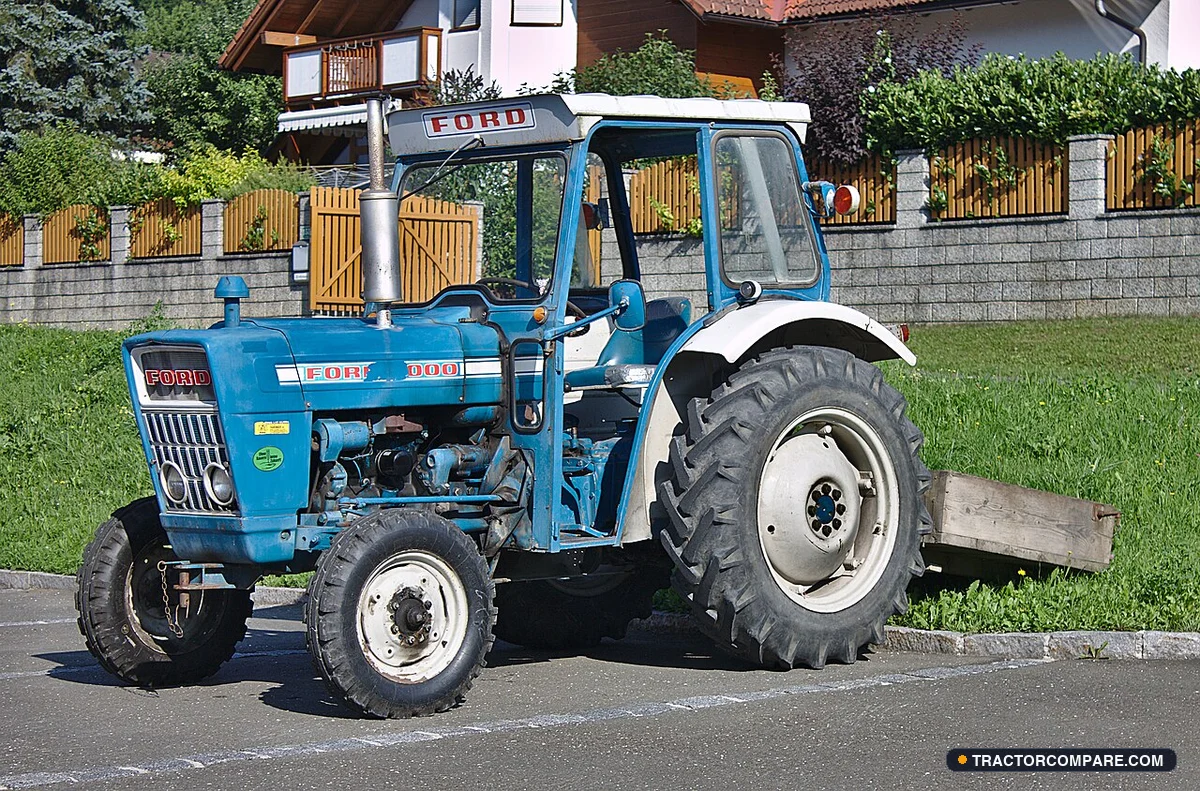
Ford 3000
Category: Farm
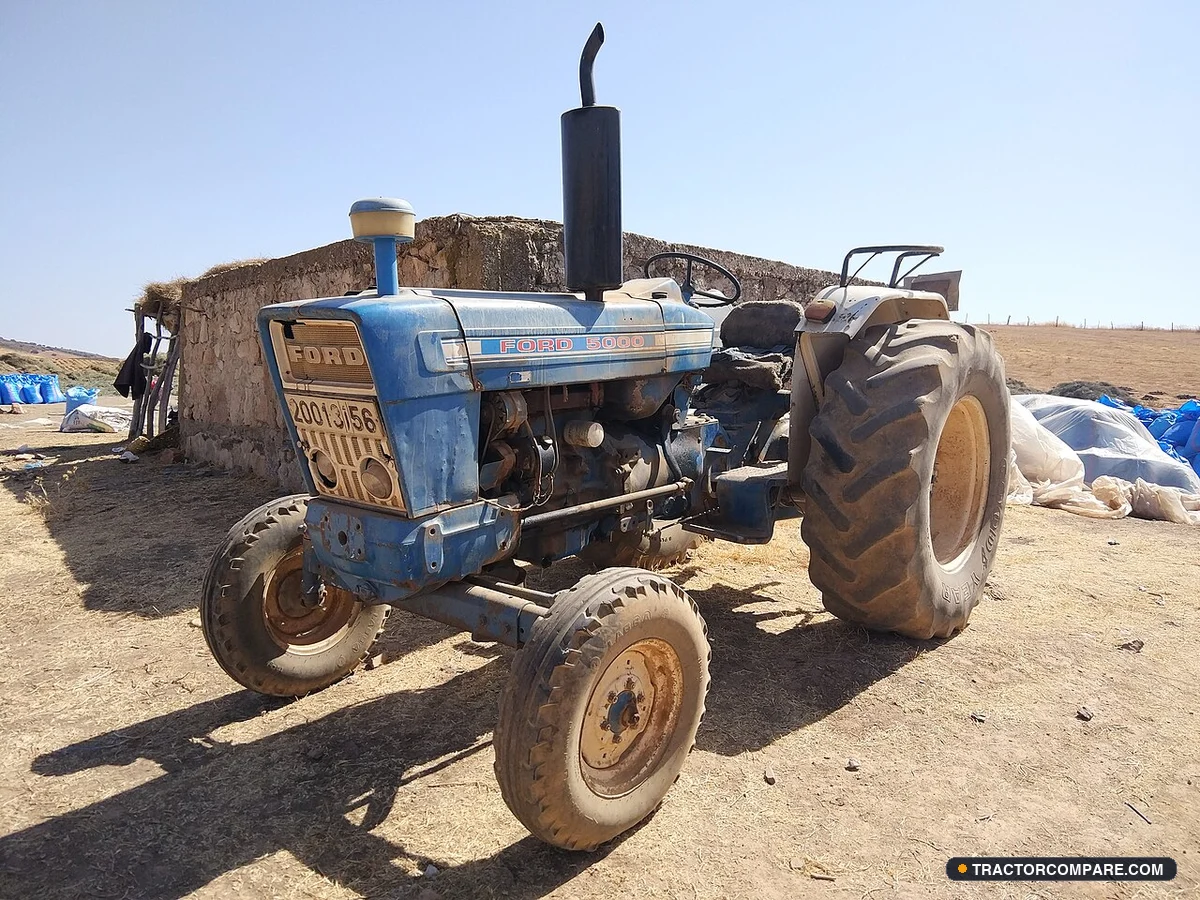
Ford 5000
Category: Farm
Decisive Performance Differentials
- Ford 5000 provides +19.8 PTO HP more implement shaft power
Multi-Axis Capability Radar
Normalized 5-pillar operational benchmark comparison
Dual Field Action & Powertrain Sound
Side-by-side operational field footage verified with computer vision & acoustic audits.

Head-to-Head Specification Differential
Side-by-side technical parameters with calculated delta advantage & percent differentials
| Specification | Ford 3000 | Ford 5000 | Advantage Delta |
|---|---|---|---|
| Power & Output | |||
Rated Engine Horsepower | 46.7 HP | 69 HP | - |
PTO Horsepower (Tested) | 40.6 HP | 60.4 HP | +48.8%+19.8 PTO HP (+48.8%) |
| Engine Specs | |||
Displacement | 2.9 L | 3.8 L | +0.9L larger displacement |
Cylinders | 3 Cylinders | 4 Cylinders | - |
| Chassis & Drivetrain | |||
Drive Configuration | 2WD | 2WD | - |
Transmission System | full power shift | full power shift | - |
| Hydraulics & Implements | |||
3-Point Hitch Category | Category I | Category II/I | - |
Buyer Decision Export Tools
Export side-by-side data for forums, Excel spreadsheets, or dealer negotiations
Operational Field Verdict Matrix
Algorithmic suitability assessment cross-referencing Nebraska draft tests against four agricultural workloads.
Primary Tillage & Deep Chisel Plowing
Comparative draft ballast analysis is unavailable due to missing unballasted operating weight specifications on one or both tractors.
Large-Scale Air Seeding & Hydraulic Drills
Dedicated remote circuit hydraulic flow ratings are incomplete. Direct comparative seeding capacity requires dealer-verified option build sheets.
Road Hauling & Grain Cart Chase Duty
Insufficient operating weight or horsepower records to compute comparative road transport traction agility.
Soil Compaction & Wet Ground Flotation
Chassis weight data missing on one or both units; ground footprint contact pressure cannot be responsibly determined.
Ford 5000 holds a verified rated horsepower lead (69 HP vs 46.7 HP). However, essential operating ballast or auxiliary hydraulic pump ratings remain unrecorded for a definitive overall workload recommendation. Consult OEM dealer build sheets before pairing with demanding implements.
Decision Analysis & Editorial Verdict
Ford 5000 delivers superior maximum output at 69.0 HP (+22.3 HP over Ford 3000), providing deeper drawbar torque reserves during high-resistance fieldwork.
Optimal Operational Use Cases
Higher torque reserve and drawbar pull capacity under peak draft resistance.
Lighter baseline chassis reduces deep subsoil rutting and preserves root aeration.
Responsive remote hydraulic flow for vacuum seed meters and folding bars.
Executive Comparison: Ford 3000 vs Ford 5000
When deciding between the Ford 3000 and Ford 5000, agricultural operators evaluate engine displacement, ballast weight distribution, and PTO efficiency.
Key Takeaways
- Engine Rating: Ford 3000 (46.7 HP) vs Ford 5000 (69.0 HP).
- Operating Mass: Ballasted working mass measures No Record vs No Record.
- Hydraulic Output: Auxiliary implement pump flow rated at Standard / Option Pack vs Standard / Option Pack. All data verified against official OECD laboratory benchmarks and Nebraska Tractor Test reports.
- https://tractortestlab.unl.edu/test-search
- https://www.oecd.org/agriculture/tractors/
Request Authorized Dealer Best Quote & Availability
Skip the runaround. Receive competitive manufacturer incentive packages, verified stock status, and freight estimates from top regional dealers.
Equipment Financing & Monthly Payment Estimator
Model cash flows, estimated installment burdens, and financing differentials for agricultural leases or loans.
*Indicative estimates based on standard Tier-1 agricultural commercial rates. Taxes, freight, attachments, and insurance not included.